
Mike Todd: Sound&Vision, a Computer Wizard, Researcher, and Musician – a real ‘Mr Fixit’!
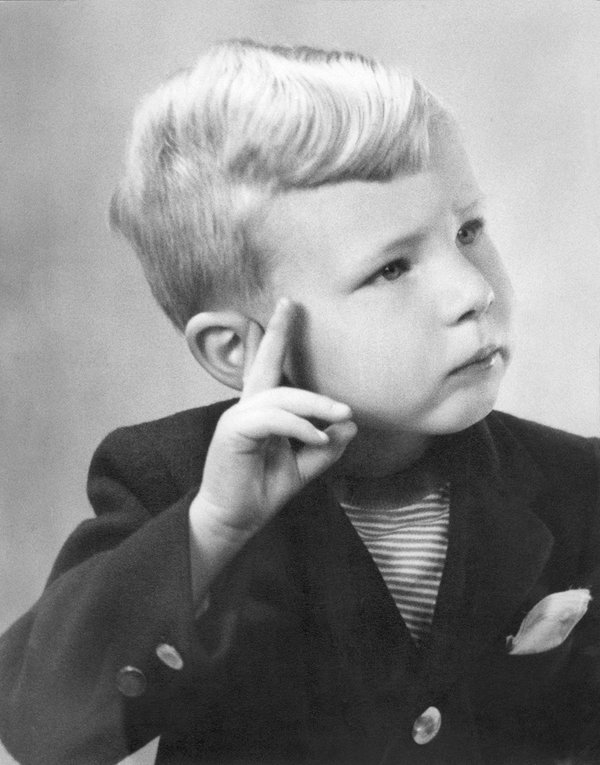
Young Mike - 'The Thinker'
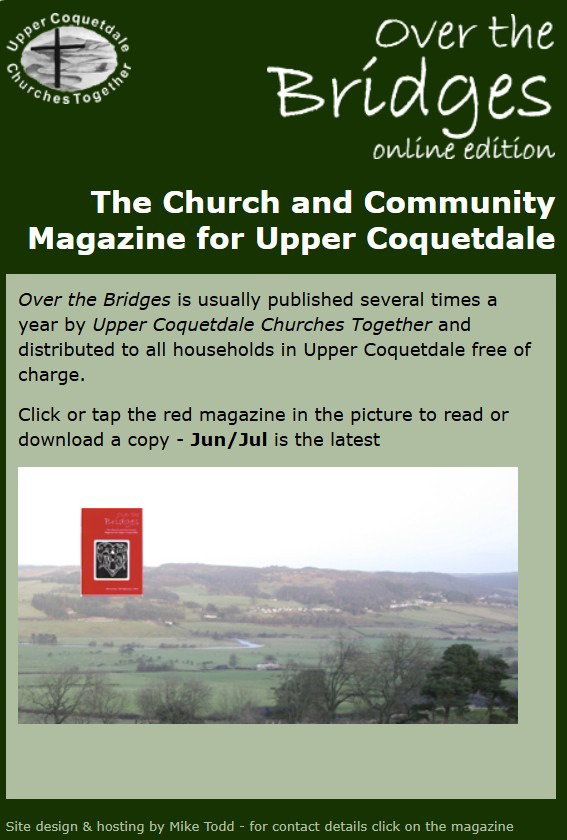
Mike is well known and appreciated by volunteers at the Coquetdale Lunch Club, and the church and community magazine, Over the Bridges. Mike is also appreciated in our local schools for supporting musical and theatrical performances. He does the sound and lighting
He produces videos for another Coquetdale Creative; James Tait.
Mike is a computer expert, and has done a great deal of programming work from his earliest days.
The late Michael Hodgeson set up the Rothbury website, Mike took over this project in 2014.
I was delighted to be able to spend some time with this generous, talented and knowledgeable man, to discover how he gained all the skills to be able to support so many within our community
Dominating the lounge, in Mike's house, is a beautiful Grand Piano. Above this beauty, are a a line of violins of different sizes, displayed on the wall. The scene is set for a fascinating conversation with a man of many talents.
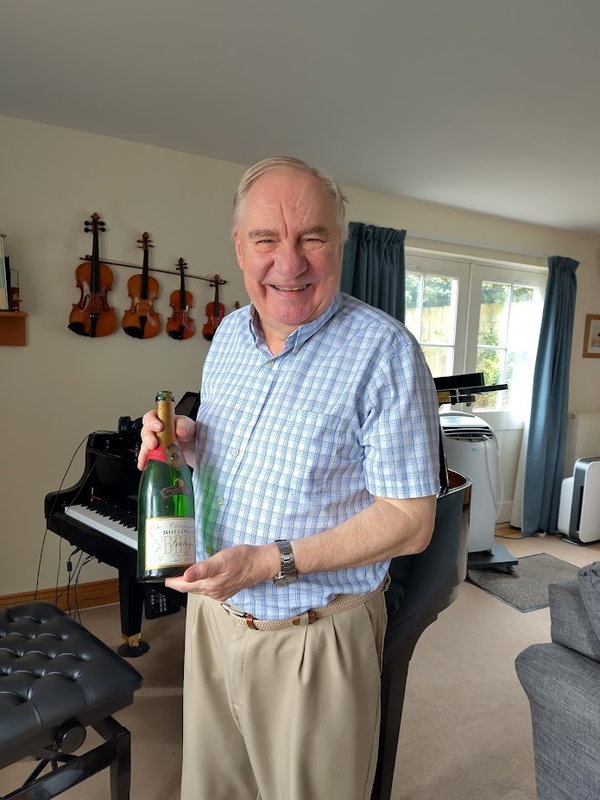
Mike, holding a signed bottle of champagne presented to him by Noel Edmonds. Signed "To the Pip Champ", after he made a set of Christmas pips for him one year.
EARLY LIFE
Mike was born in South Shields, in May 1951. Mike's mother, Minnie, was a busy housewife. Her creativity showed itself in painting (primarily decorating china), knitting, and crocheting, including some of her own designs. She was very supportive of the musical activity in the household.
His father was a semi-professional musician, and his father was a professional musician. Mike's grandfather, James Todd (1877-1970) served as a very highly respected musical director and orchestra leader, at the Queens Theatre in South Shields. Mike has created and maintains an informative website about the The Queen's Theatre.
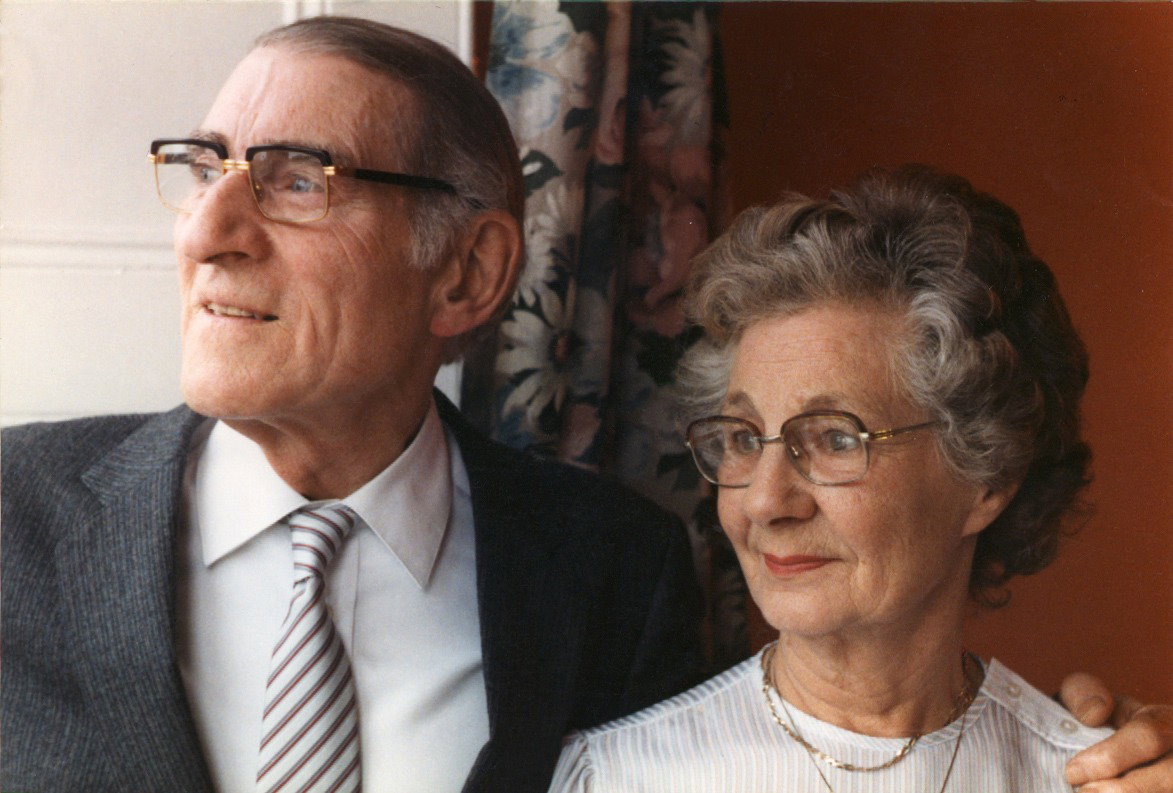
Mike's parents.
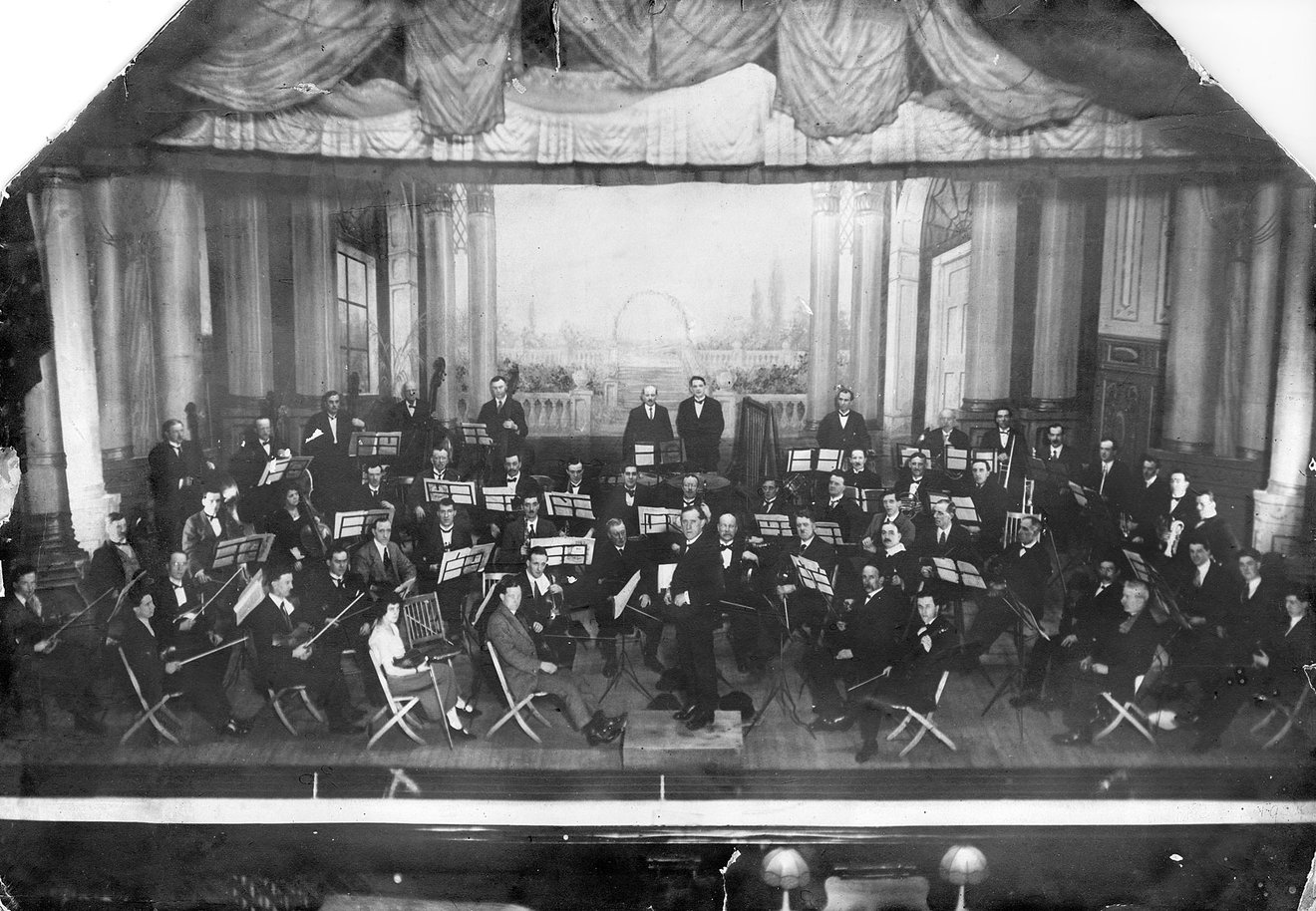
James Todd and the Queen's Theatre Orchestra
Mike's father, Robert Todd, owned and ran a butcher's shop, firstly on Woodbine Street, and latterly, on Sunderland Road, in Harton, South Shields.
Robert also was a musician; he taught violin using the 'Suzuki method'. This was a new violin teaching method which likens learning music to learning a person's mother-tongue - daily listening, repetition, parents being part of the process, learning and supervising at home every day. How the Suzuki method works.
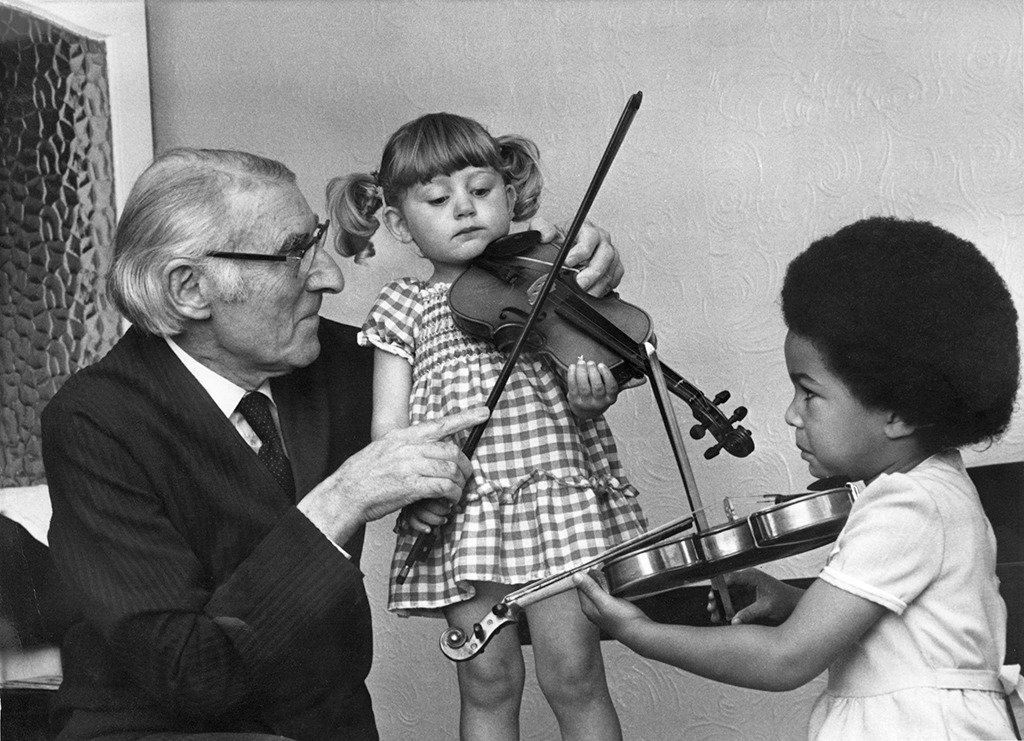
Mike's father, teaching two pupils.
I am keen to know what it was like growing up in the Todd household.
Mike tells me: The household was always busy, mostly because of the work involved by my father's butcher's shop. I would often help him (or more often hinder maybe?.) He worked all hours - for not much money.
How about music, though, was it a musical household?
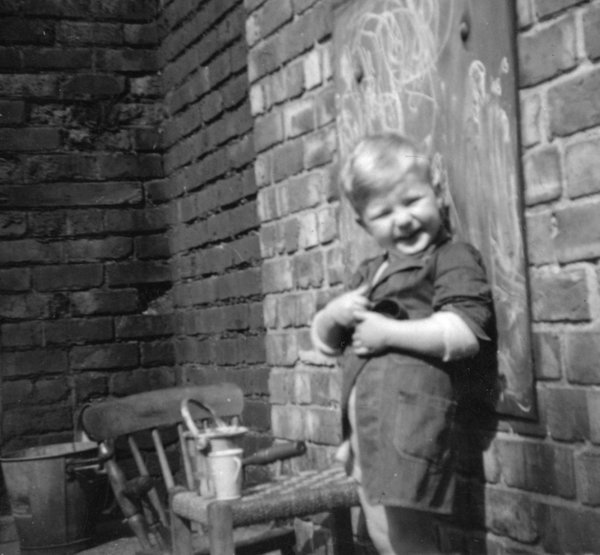
Mike playing in the back yard.
Music was everywhere - my grandfather started teaching me piano when I was 5.
My father and I would occasionally play together.
On one occasion this happened to be at a small regular music gathering in the front room of the local cardiologist “Dr Mannie Anderson” where I called in on my way back from piano lessons. I was asked to accompany my father on the piano. We played Fritz Kriesler's “Praeludium and Allegro” - easy for piano - virtuoso for violin. On that occasion I was introduced to Dr Anderson's houseguest. I didn't know who he was - he was introduced as Yehudi Menuhinwho, as you will know, is one of the world's greatest violinists (my cousin actually became his producer).
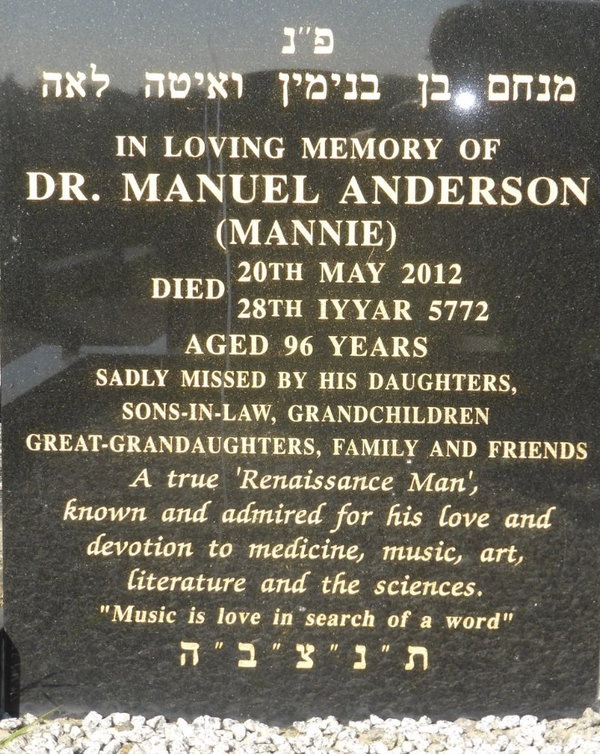
Mannie Anderson's gravestone. Photo by Peter Gatoff. Tyne and Wear Archives & Museums
I admit I am quite stunned to hear about Mike's early musical life, casually mixing with such incredible musicians.
Mike loved and played music; but he was also always wondering about how many everyday objects worked. He loved photography, electronics, and electrics.
“Whether it was how Christmas Tree lights and my train set worked, through to fixing old televisions and indulging in Amateur Radio. This led to several rather nasty incidents including electric shocks!”
TV - Cameras
Early TV shows often featured visible camera operators ('cameramen') and the audience at home could clearly see the large studio cameras.
Mike was fascinated by TV cameras as he watched his favourite programmes. So much so, that this determined little boy created his own TV Camera out of cardboard! From the age of 5 he had decided being a camera man was going to be his career.
“Very soon after we got our first TV (around 1959) I was fascinated by it. My goal from around that age was to be a TV cameraman. I'd go up and down our drive on a buggy with big egg box for camera & toilet rolls for lenses”.
Always preferring to be 'behind the scenes' Mike, at school at the south Shields Grammar-Technical School for Boys, directed House plays and helped backstage.
Unfortunately there doesn't seem to be any film of the time he performed Frederick, in Gilbert & Sullivan's 'The Pirates of Penzance'!
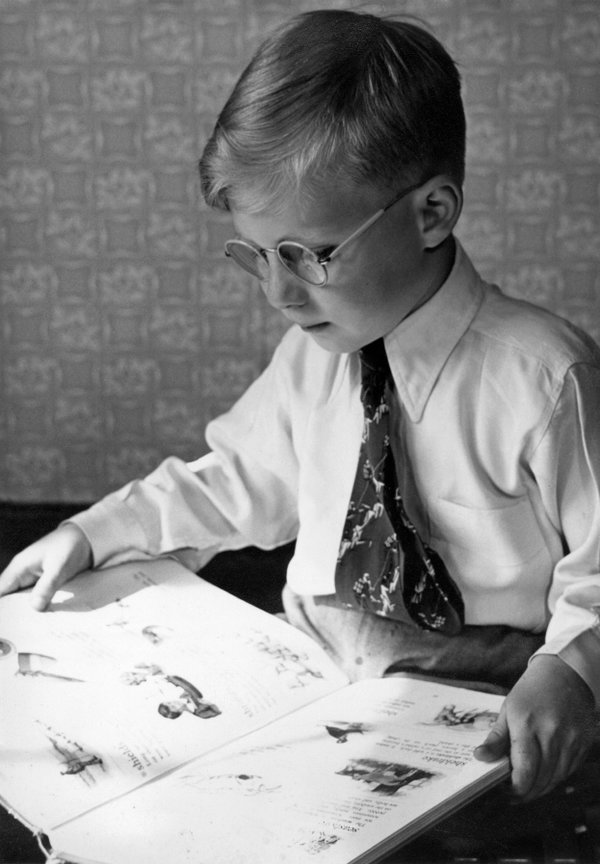
Mike, reading.
Family tragedy
When Mike was 4, his brother James was born. The family was complete. Tragically, at the age of 17, James died in a car accident. Of course, this heartbreak affected the whole family, and Mike often thinks about James, and how, had he lived, many aspects of his life might have been different.
Mike is certain that James would have had children, had he lived.
I wonder if Mike regrets that he did not have any kids? He didn't marry (but did come close to it once).
He tells me that there was no time, really, with the full time work - which was 'work-any-time hours', with often very long shifts. However, because of all the children he has helped and supported, and mentored, educationally, over the years, he feels that he did not need to have his own.
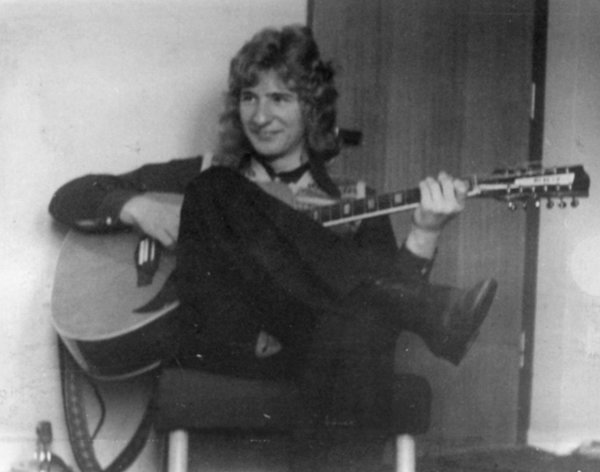
Mike's brother, James Todd.
Higher Education/Computers
I ask Mike if he was disappointed at not going to university? He explains that he did gain an honours degree, from The Open University.
Soon after the O.U. was launched, I joined up. It was a broad course with plenty of space for “electives”, from music, to computer science to understanding spacetime units but the core was psychology - and I got an Honours in it. It was fully recognised by the British Psychological Society. I also qualified as a psychometric tester.
As part of his O.U. course Mike became more proficient in computer programming. He had one of the first Commodore PETs, bought in 1978. Mike wrote for Commodore's bi-monthly journal and became the Vice Chair and then Chair of the Independent PET User Group. Growing so knowledgeable about all things Commodore, Mike was invited to talk about Commodore disk drives at Brandon University, Canada, and Lincoln College, Illinois.
In the 1980s Mike was the UK editor of 'The Transactor for the Amiga.' This was a highly technical Canadian computer magazine which started in 1988. This magazine was famous for in-depth developer-level hardware and software information, and so on. Mike was responsible for all of the page layouts and designs, he wrote articles, edited, and laid out guest contributions.
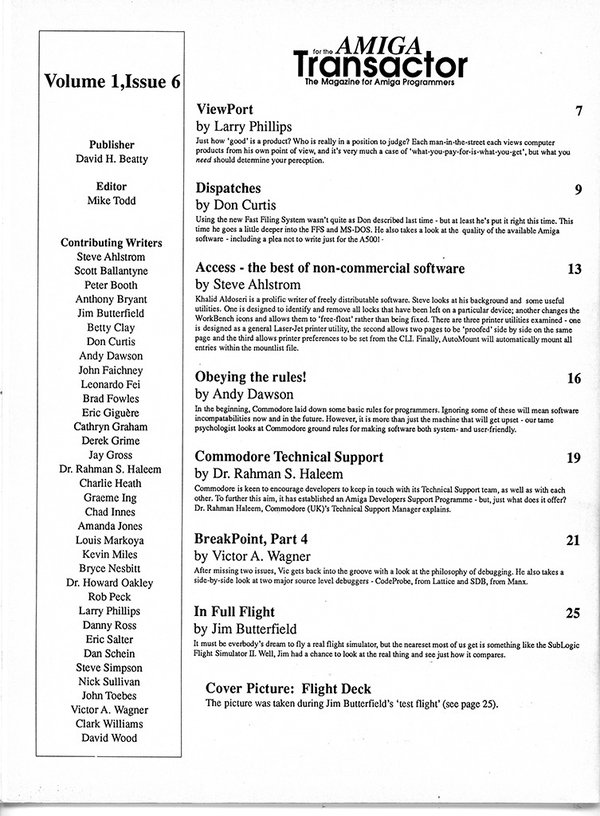
Transactor for the Amiga
First Job
It must have been very thrilling to gain a foothold into a career he had thought about since being a small boy?
“I left school the same week that Armstrong walked on the moon, I was heading towards my childhood ambition of becoming a television cameraman. I joined the BBC in September 1969 on a course at their Wood Norton Hall training centre, just outside Evesham, in Warwickshire. After a spell as a trainee, I became a cameraman for BBC Television working on a wide range of programmes. As part of the training, I spent time on TV sound and on "electronic effects" (including very brief spells on Doctor Who and Top of the Pops) and did a lot of swinging and driving of camera cranes.”
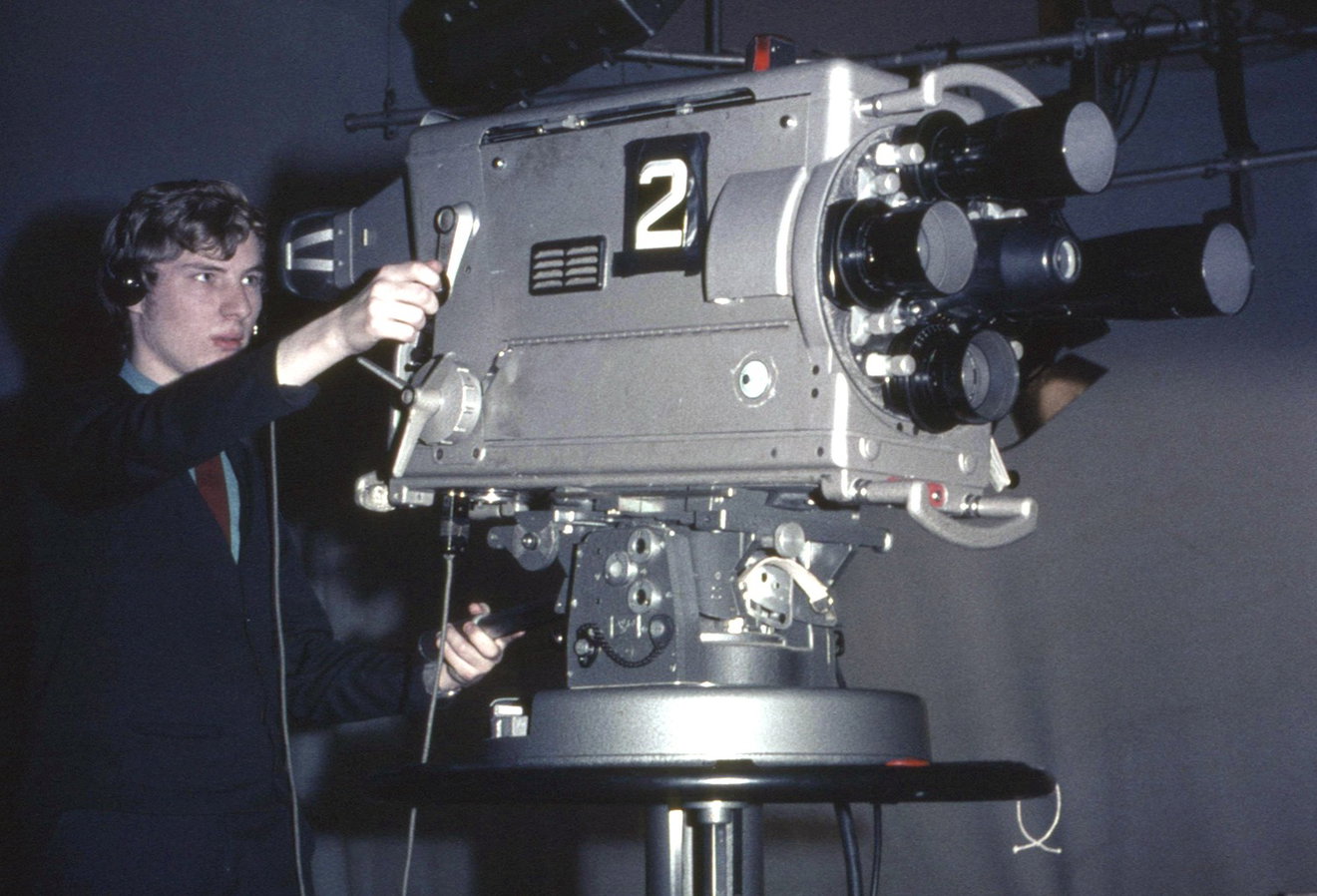
BBC Camera during training - 1969
Mike explains that, in the mid-1970s, he made a huge decision to leave his beloved TV camera work, to pursue a career with BBC Radio.
I decided that the pictures were better on the radio, and so were the people. So, I moved to BBC Radio, based in Broadcasting House, and became a Technical Operator in the main Control Room. Here we switched audio circuits, tested outside-broadcast lines, managed the transmission distribution, did the technical operation of all the BBC's national radio networks and balanced DJ programmes.
What did you most like about this work, I ask, and what do you remember best?
We got involved in many big events, and during that time I worked as the International Technical Co-ordinator at Broadcasting House for the Pope's pastoral visit to the UK in 1982, and during the wedding of Charles and Diana I worked with a colleague in the Control Room setting up and feeding the radio and television sound to the entire world.
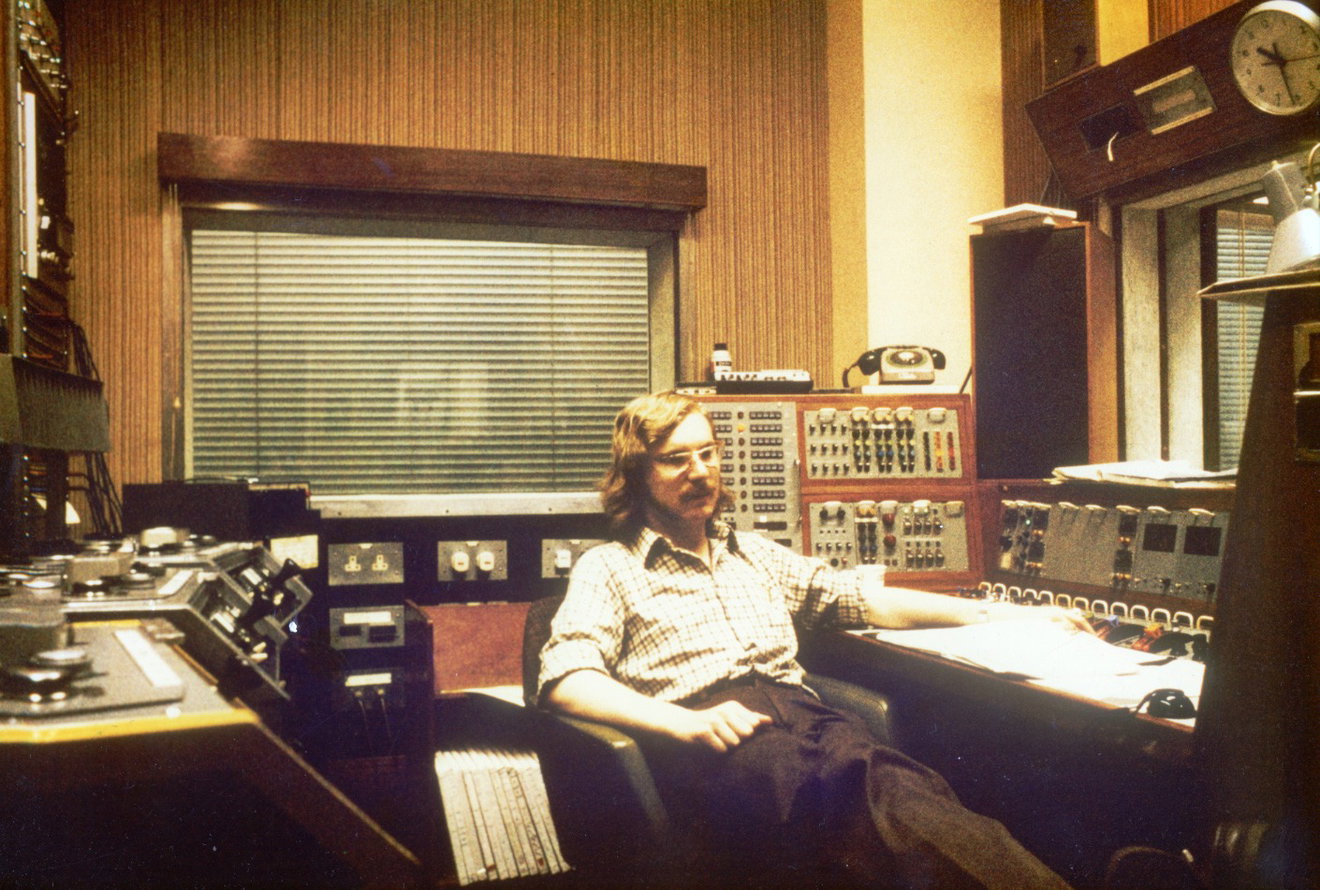
Mike at BBC Radio 4
I was promoted to supervisor and, following a major reorganisation within BBC Radio, I was appointed to be one of the newly formed team of Broadcast Duty Managers in 1988, and took up the post in early 1989.
This new job was an interesting one in many ways. We were put together as a team of five, providing "operational management" cover 24 hours a day, 7 days a week. The role was to make sure that BBC Radio kept broadcasting no matter what - from technical faults to terrorist attacks, from war, to DJs turning up late.
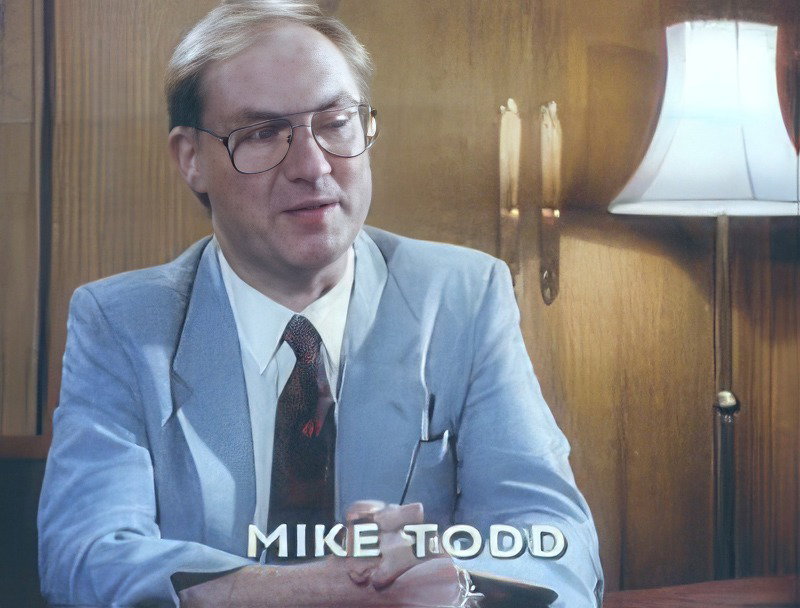
Mike appearing on Arena, talking about the 'pips'
I ask Mike to give me some examples of the emergencies he had to deal with. He remembered particularly the great storm of 1987. Power was lost in London, with wind speeds reaching 94 mph. Broadcasting House's generators kept failing.
Everything went quiet - and two of us kept all BBC National Radio services running by plugging a portable cassette recorder into the post office line that fed our emergency distribution in order to have at least something until we got the generators back.
Being a Broadcast Duty Manager is quite a wide-ranging role, and is quite different from being a Camera Operator. I ask Mike to tell me more about the role and was quite stunned when I began to realise just how significant this role was.
Mike described a couple of incidents, one involving John Major:
As Broadcast Duty Managers, we were responsible for the security of all the Radio networks, our studios and their guests, although general security was looked after by the Premises Duty Manager.
When high profile VIPs were guests, we would often get involved - pop stars, celebrities, politicians etc.
When John Major became PM, he came in to be interviewed. Going down the long corridor to the Today programme, his team went on ahead and he got separated. I was left with him - when he went passed the gents, he suddenly decided he ought to pop in.
I went in to check there was nobody in there, then stood outside to guard the PM!
There is also an earlier story concerning Hillary Clinton.
On another occasion, Hillary Clinton came in to promote her new book over three days doing "down the line" interviews with numerous radio stations. Knowing the area well, I was the operational liaison and worked with the US Secret Service agents on security arrangements. I spent time with them in their basement studio over the three days - including having coffee with her and her agents. As part of the "presidential protection detail", I was given (palmed discreetly through a handshake) awarded a special and fairly rare "Trip Coin".
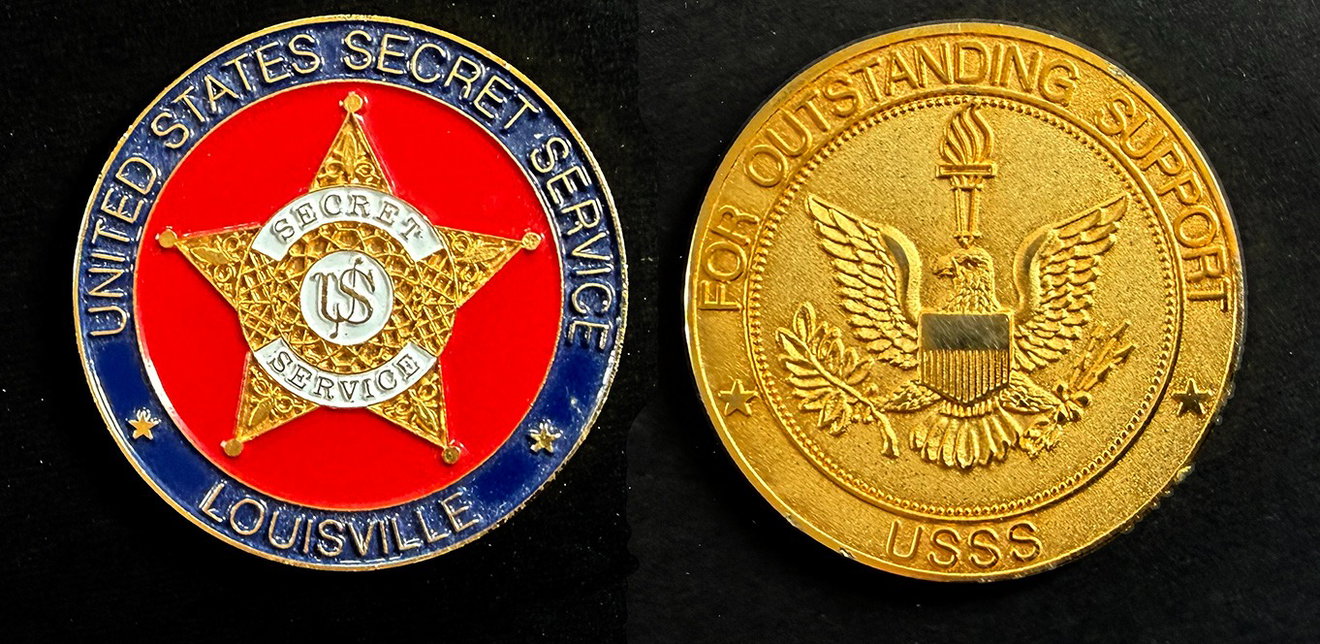
Secret Service Coin
Mike explained to me that each of the Broadcast Duty Managers had their own specialisation. Mine was emergency & contingency planning.
Emergencies could be civil, local, or national.
In an emergency the BBC had and has an important role to play.
"Do you remember the fear surrounding The Millenium Bug"? He asks me.
I do! The Millennium Bug (or Y2K bug) was a massive computer flaw caused by programmers abbreviating four-digit years to two digits to save memory in early systems. It was feared computers would mistake the year 2000 ("00") for 1900, causing software and infrastructure failures globally.
Well, In 1999 I was part of the BBC's team setting up the contingency arrangements to see the BBC and the British Government through whatever Y2K would present us with. And where did I spend the 2000 New Year?
In a nuclear bunker, helping lead a small team... "just in case".
Honours and Awards
It is very gratifying to be recognised for work well done. It is wonderful to know that Mike has received awards. In 2003 he collected, on behalf of the Duty Managers, a very prestigious Award, presented to him by Greg Dyke, who was the Director General of the BBC.
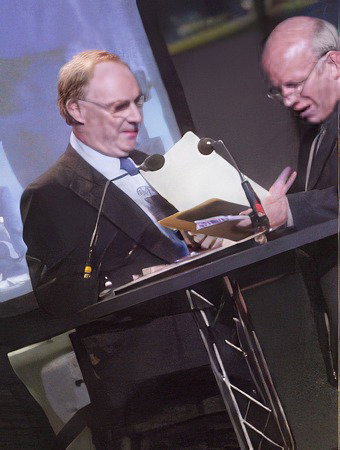
Mike receiving the award from Greg Dyke.
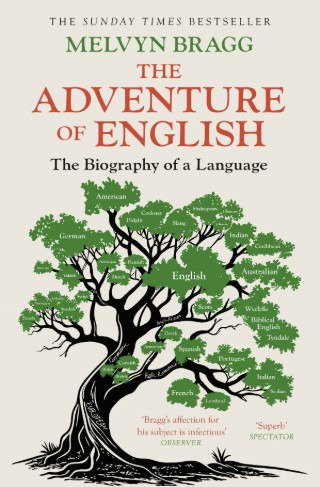
Not exactly and award, but definitely a welcome recognition, was when Mike was acknowledged by Melvin Bragg in his book The Adventure of English.
OKAY
I've always been fascinated with the differences between British and American English - so, back in the 1990s I did a lot of research on the origin of "OKAY" as there seemed to be no consensus on its real origin.
I eventually put my research online.
Unknown to me, Melvyn Bragg found this and referenced me and it in his 2003 book "The Adventure of English".
I was only alerted to this by one of our staff, so I got a copy and Bragg signed it "Thanks for help with the book"
Rothbury and Coquetdale
So, I wonder, how did Mike end up living in Rothbury? He was lucky enough to take early retirement at 54 years old. He tells me that his intention had been to return to the North East, on his retirement. The initial plan was to return to South Shields. We are fortunate that his plans changed, and he arrived in Coquetdale in November 2006. Our community has had the benefit of his community minded generosity ever since.
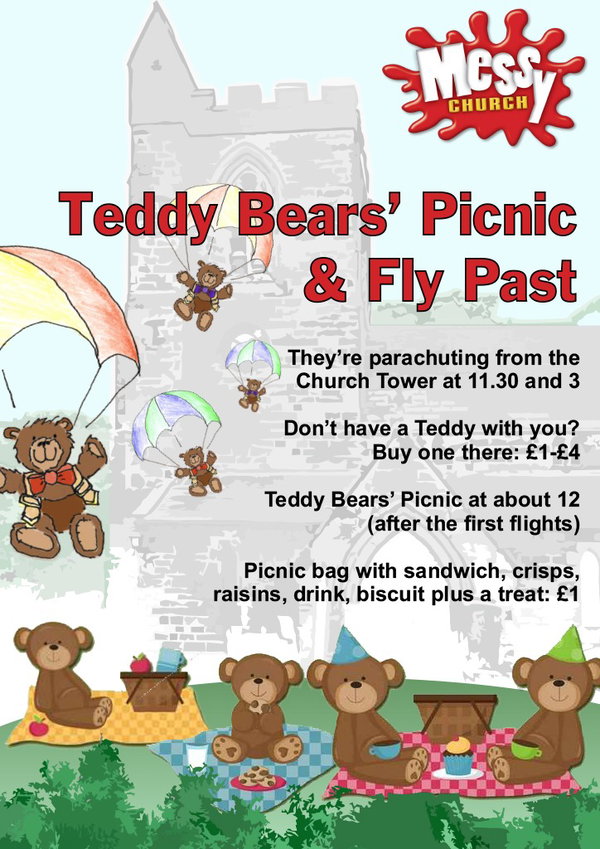
One of popular community events organised by Mike.
He has become known as 'Mr Fixit' to many, helping with all manner of projects and subjects. He is the person behind the informative CoNet screens which you can see around Coquetdale. Mike regularly updates these screens with community information.
Mike is digitising the archive of our church and community magazine, Over the Bridges. He is a key member of the Coquetdale Lunch Club, and went, with Vikki Ewen, to the King's Garden Party, after the Group received the prestigious King's Award for Voluntary Service in November 2025.
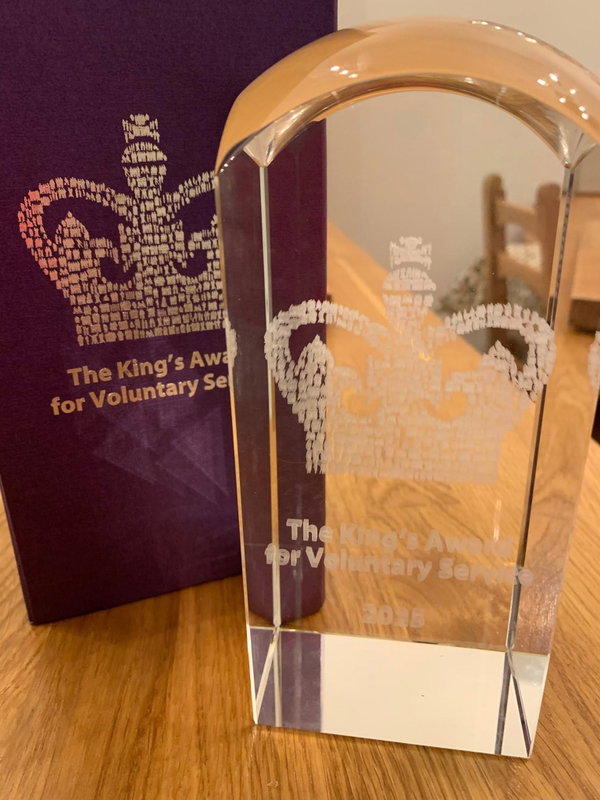
The King's Award for Voluntary Service
Mike has designed and printed A2 and A3 posters. He has helped groups with all things media-related. He helped produce Thropton WI's Cookbook, and Rothbury WI's Calendar Promotion video. He has produced videos of James Tait with Viktoriia and so much more, all voluntarily. He works in local schools supporting any audio or visual needs for productions.
Mike has been making stained glass items, for his own enjoyment, on and off for over 20 years. Looking at the pieces, it makes me feel that some of his mother's creativity is showing itself here.
His father, and grandfather's musical influence is evident in his personal playing, and his love of musical shows
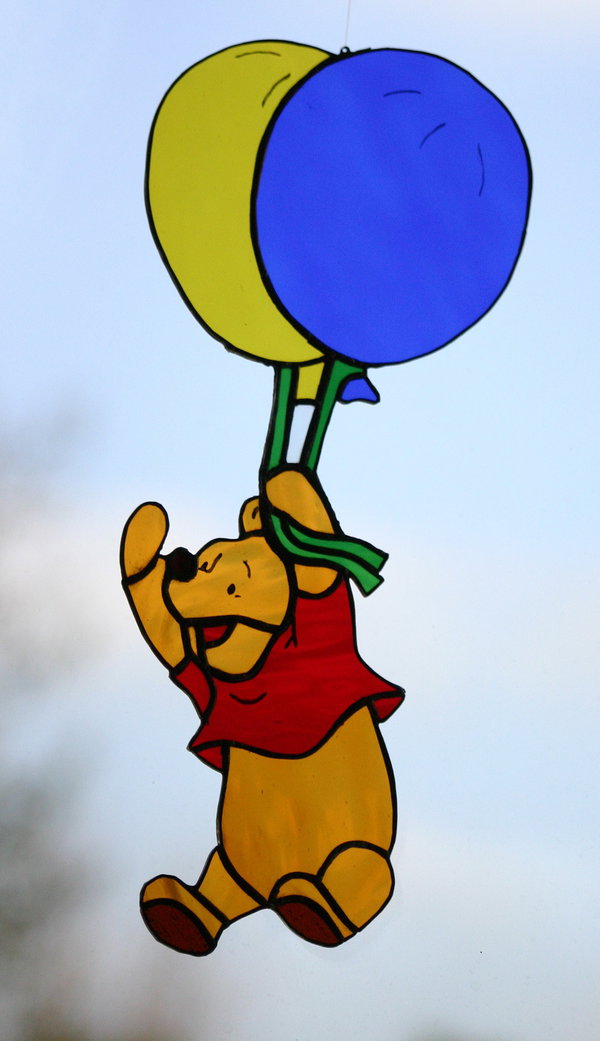
Mike's stained glass 'Winnie the Pooh'
It was a privilege to spend time with 'Mr Fixit' and learn a lot about his life and background. If you would like to know more about Mike, visit his website. You will be, I am sure, fascinated to discover the strange and - gruesome(?) - coincidences he uncovered about his long lost Rothbury relatives!
Get In Touch
If you would like to be interviewed for Coquetdale Creatives or have some news to share, then please let us know.
Contact Us